
7 Types of Anxiety Medication: A Comprehensive Guide

Written by: Cheryl Brydges, BSW, Licensed Bachelor of Social Work
Updated: February 24, 2026
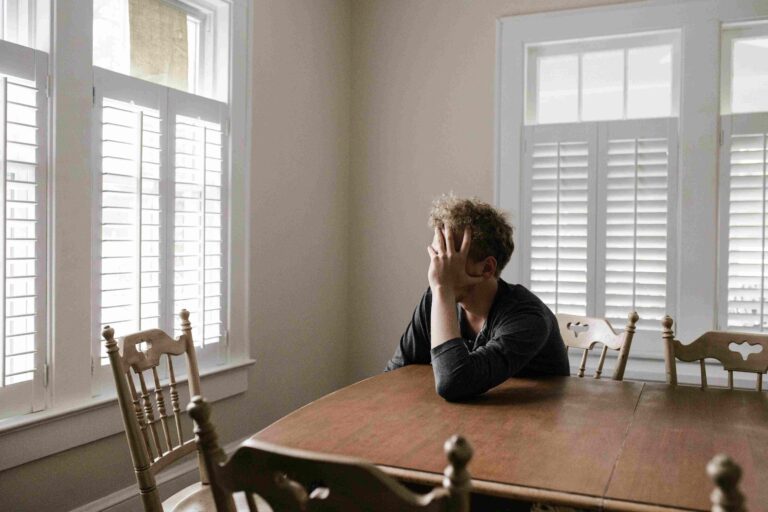
Anxiety is natural and necessary in human life. Anxiety helps keep us safe. It is the butterflies in your stomach before an important event or presentation or the alertness you have when driving in heavy traffic. But for so many, anxiety is persistent and overwhelming. It controls their lives. Anxiety is one of the most common mental health disorders and affects about 4.4% of the global population.
Therapy is a great first line defense in managing anxiety symptoms, but for those with more severe anxiety, medication may play a crucial role in managing it. Medication can help lower the volume of anxiety and create space for the individual to utilize skills and therapy to manage symptoms.
This guide explores the various types of anxiety medications, how they work, and what you can expect if you and your healthcare prescriber decide that medication is the right path for you.
Understanding Anxiety: When Medication Makes Sense
Because everyone experiences some level of anxiety in their day to day life, it is important to distinguish when your anxiety is clinical rather than everyday stress. Clinical anxiety disorders, such as Generalized Anxiety Disorder (GAD), Panic Disorder, Social Anxiety Disorder, and specific phobias, are characterized by intense, excessive, and persistent worry and fear about everyday situations.
Medication typically becomes a talking point with your prescriber when your anxiety is significantly impacting your quality of life. If you are avoiding certain situations or social interactions, struggling with work due to anxiety, or experiencing physical symptoms of anxiety, it may be a good time to discuss medication with your prescriber. It is important though to recognize that medication does not “cure” anxiety, it is simply a tool in managing your symptoms.
Types of Anxiety Medications
There isn’t a one-size-fits-all pill for anxiety. Different medications work on different neurotransmitters in the brain. Here is a breakdown of the most common categories.
SSRIs (Selective Serotonin Reuptake Inhibitors)
SSRIs are typically the first-line treatment for anxiety disorders. They work by increasing the levels of serotonin in the brain, a neurotransmitter that helps regulate mood, sleep, and emotion.
Common SSRIs include:
- Sertraline (Zoloft)
- Escitalopram (Lexapro)
- Fluoxetine (Prozac)
- Paroxetine (Paxil)
Pros and Cons:
SSRIs are generally non-habit forming and effective for long-term management. However, they are not quick fixes. It can take 4 to 6 weeks to feel the full therapeutic effect. Side effects may include nausea, insomnia, or sexual dysfunction, though these often subside over time.
SNRIs (Serotonin-Norepinephrine Reuptake Inhibitors)
Like SSRIs, SNRIs are often used as a first-line treatment. The key difference is that they affect two neurotransmitters: serotonin and norepinephrine. Norepinephrine is involved in the body’s stress response.
Common SNRIs include:
- Venlafaxine (Effexor XR)
- Duloxetine (Cymbalta)
Who Might Benefit:
SNRIs can be particularly helpful for people who have both anxiety and depression, or for those who experience physical pain associated with their anxiety. The pros and cons are similar to SSRIs, including the timeline for effectiveness.
Benzodiazepines
Benzodiazepines are fast-acting sedatives. They work by enhancing the effect of GABA, a neurotransmitter that calms brain activity.
Common types include:
- Alprazolam (Xanax)
- Lorazepam (Ativan)
- Clonazepam (Klonopin)
When They’re Appropriate vs. Concerns:
Because they work quickly (often within 30 to 60 minutes), they are effective for acute panic attacks or severe, short-term distress. However, they carry a significant risk of dependency and tolerance. They are generally not recommended for long-term use and require careful monitoring by a physician.
Buspirone
Buspirone (Buspar) is a unique anti-anxiety medication that is distinct from benzodiazepines and antidepressants. It is primarily used for generalized anxiety disorder.
Timeline and Expectations:
Unlike benzodiazepines, buspirone does not cause sedation or dependency. It must be taken consistently every day to be effective, and like SSRIs, it can take several weeks to build up in your system. It is often a good option for those who want to avoid the side effects of SSRIs or the dependency risks of benzodiazepines.
Beta-Blockers
Originally designed for heart conditions, beta-blockers like propranolol are often prescribed “off-label” for situational anxiety, such as performance anxiety or stage fright.
How They Work:
They don’t affect the emotional or psychological aspects of anxiety. Instead, they block the physical symptoms of the “fight or flight” response, such as a racing heart, trembling hands, or sweating. This can help break the cycle where physical symptoms make you feel more anxious.
Hydroxyzine
Hydroxyzine (Vistaril) is an antihistamine that has a sedating effect. It works by blocking histamine receptors in the brain, which can reduce anxiety.
Benefits:
It is non-addictive and works relatively quickly (within 30 minutes to an hour). It can be taken on an “as-needed” basis, making it a viable alternative to benzodiazepines for some patients.
Off-Label Options
Doctors may sometimes prescribe other medications off-label, meaning they are FDA-approved for other conditions but help with anxiety.
- Gabapentin: Originally for seizures, it can help calm nerve activity.
- Mirtazapine and Trazodone: Older antidepressants that are sedating and can be helpful for anxiety accompanied by severe insomnia.
What to Expect When Starting Anxiety Medication
Starting a new medication can be daunting, but knowing what to expect can alleviate some of the worry.
The First Few Weeks
Starting a new medication and getting started is often the hardest phase of treatment. Many will experience temporary side effects in the beginning and therapeutic benefits may come after. Initially, it may not feel worth it to take the medication. But stick with it, it gets better. Common side effects for anxiety medications include jitteriness, nausea, and headaches. Also, it is important to note that some people will feel more anxious in the first weeks but this usually subsides as well. It is important to track your side effects and reach out to your prescriber if things do not improve.
The Titration Process
“Start low and go slow” is a common mantra in psychiatry. Your prescriber will likely start you on a low dose to minimize side effects and gradually increase it until you reach the optimal therapeutic dose. While this can be frustrating, patience is key here. Finding the right dose is a process, but in the end it is worth it.
Working with Your Prescriber
A successful treatment plan relies on open communication. When you meet with your prescriber, preparation can help you get the most out of your appointment.
- Bring a List: Write down your symptoms, when they happen, and how severe they are.
- Share Your History: Be honest about past medications, what worked, what didn’t, and any family history of mental health conditions.
- Ask Questions: Ask about potential side effects, how long the medication takes to work, and what to do if you miss a dose.
- Set Goals: Discuss what “feeling better” looks like to you. Is it sleeping through the night? Being able to give a presentation?
Finding the Right Balance
Medication is an important aspect of anxiety treatment for many but remember that it is not the only tool in your toolbox. A combination of medication and therapy can help you best manage your anxiety and successfully function in your day to day life. If anxiety is preventing you from living the life you want, reaching out to a healthcare professional is a brave and vital first step.
If you are ready to explore your options, schedule a comprehensive psychiatric evaluation with us today.
Can I get anxiety medication without a prescription?
No, clinical anxiety medications—including SSRIs, SNRIs, and benzodiazepines—require a prescription from a licensed healthcare provider.
How do I know if I need medication for my anxiety?
Medication is often considered when anxiety significantly interferes with your daily life. Signs include avoiding social situations, struggling to perform at work, or experiencing physical symptoms like chronic insomnia or panic attacks. A consultation with a mental health professional can help determine if medication is the right step for you.
Are there non-habit-forming alternatives to Benzodiazepines?
Yes. Medications like Buspirone, Hydroxyzine, and SSRIs/SNRIs are non-habit-forming and do not carry the same risk of dependency or withdrawal as benzodiazepines. These are often preferred for long-term management of Generalized Anxiety Disorder (GAD).
How long will I need to stay on anxiety medication?
The duration varies for everyone. Some people use medication for a few months to get through a difficult period, while others use it long-term to manage chronic symptoms. Your prescriber will work with you to evaluate your progress and determine the best timeline for your specific needs.
** Important Resource: ** If you or someone you know is in distress or immediate danger, help is available.
- 988 Suicide & Crisis Lifeline: Call or text 988 (USA) for free, confidential support 24/7.
- Crisis Text Line: Text HOME to 741741 to connect with a Crisis Counselor.
Medical Disclaimer: The information provided in this article is for educational purposes only and does not establish a doctor-patient relationship. While Dr. Osuntokun is a board-certified psychiatrist, this content is not a substitute for professional medical advice, diagnosis, or treatment. Never disregard professional medical advice or delay in seeking it because of something you have read on this website. If you believe you are experiencing a medical emergency, please call 911 or go to the nearest emergency room immediately.