
Low Cortisol and Your Mental Health

Wrtten by: Olaniyi Osuntokun, MD, Double Board-Certified in Psychiatry and Neurology
Can anxiety cause low cortisol? Can low cortisol cause depression or anxiety? Research increasingly shows the relationship runs both ways. Chronic anxiety can exhaust the HPA axis over time, driving cortisol down rather than up. Low cortisol can disrupt the neurochemical balance that mood stability depends on. So if you have been feeling unusually fatigued or emotionally flat, cortisol may be part of the answer.
Modern research links HPA axis dysregulation (the system that controls cortisol production) to clinically significant symptoms of depression, anxiety, and cognitive impairment, independent of a formal Addison’s disease diagnosis. (Lei et al. 2025)
While we often hear about the negative effects of high cortisol and stress, having low cortisol levels can also significantly impact your mental health and daily life. Often, the most disabling effects of low cortisol present as depression, anxiety, emotional dysregulation, cognitive fog, or impaired stress tolerance.
Table of Contents
What does Low Cortisol feel like? Recognizing the Symptoms
Low cortisol can manifest in various ways, often mimicking other mental health or medical conditions. Recognizing these signs is an important part of getting the right support. Common symptoms include:
- Chronic fatigue, especially in the morning
- Muscle weakness and body aches
- Dizziness or lightheadedness when standing up
- Mood swings, irritability, or feelings of depression
- Brain fog and difficulty concentrating
- Salt cravings
- Dizziness when standing
Finding the Balance: High vs. Low Cortisol
| Feature | Low Cortisol | High Cortisol |
|---|---|---|
| Energy Levels | Extreme exhaustion, difficulty waking up | “Wired but tired”, insomnia, restless sleep |
| Mood | Apathy and flatness, feeling “numb” | Anxiety and hypervigilance, sense of impending doom |
| Stress Response | Inability to cope, easily overwhelmed | Irritability and rage, “short fuse” |
| Cognitive Function | Brain fog, trouble concentrating | Racing thoughts, over-analyzing |
| Social Drive | Withdrawal, social interaction feels physically exhausting | Restlessness, feeling the needs to be doing something constantly |
Low Cortisol in Women
For women, low cortisol can disrupt the delicate balance of other hormones. This might lead to irregular menstrual cycles, worsened premenstrual syndrome symptoms, or a decreased sex drive. The emotional toll of hormonal transitions can be heavy for women, often intensifying feelings of anxiety, emotional exhaustion, and an inability to cope with minor daily stressors. As discussed in a prior IN Focus First blog, hormonal transitions can exacerbate ADHD symptoms and mood disturbances, yet pharmacological research and tailored treatments are lacking. (Kooij et al., 2025)
Low Cortisol in Men
Men experiencing low cortisol might notice a severe drop in energy levels that makes physical activity or work feel overwhelming. It can also contribute to a lowered libido, a loss of muscle mass, and persistent feelings of apathy, sadness, or a general lack of motivation.
The Brain Science Behind Low Cortisol
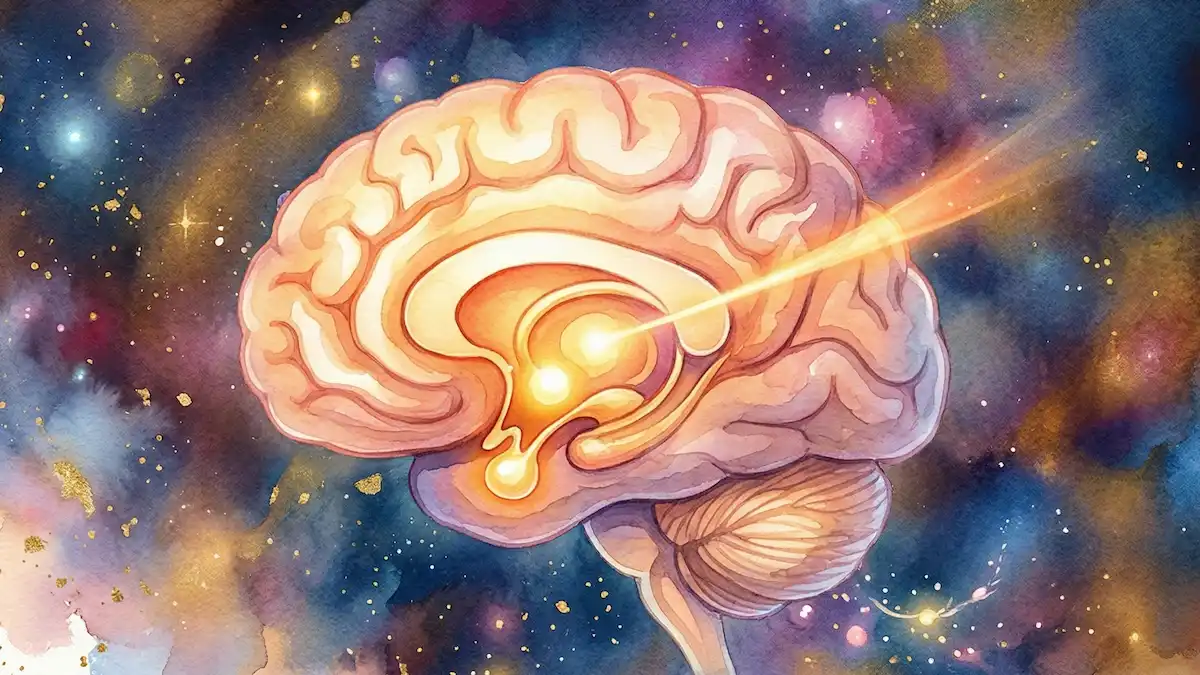
To understand why this happens, it helps to look at the brain. Cortisol is produced by the adrenal glands, but the process is actually controlled by a communication system called the hypothalamic-pituitary-adrenal (HPA) axis.
When you encounter a stressful situation, your brain sends a signal to your adrenal glands to release cortisol. If this system becomes overworked due to chronic stress, trauma, or certain medical conditions, it can eventually slow down and fail to produce enough cortisol. This biological miscommunication directly affects your energy levels, mood regulation, and cognitive function. (Lei et al. 2025)
Treating Low Cortisol
Treatment depends entirely on the underlying cause, which is why an accurate diagnosis matters before anything else.
When low cortisol is caused by primary adrenal insufficiency such as Addison’s disease, cortisol replacement therapy prescribed by an endocrinologist is the standard medical approach. This is a distinct clinical pathway from what a psychiatric provider manages.
When low cortisol results from HPA axis dysregulation driven by chronic stress, burnout, trauma, or long-term anxiety, the psychiatric approach addresses the underlying drivers directly. This typically includes optimizing sleep architecture, reducing allostatic load, treating any co-occurring anxiety or depressive disorder, and in some cases reviewing whether current medications are contributing to the pattern.
Lifestyle factors that support the HPA axis include consistent sleep and wake times, balanced blood sugar through regular meals, reducing or eliminating afternoon caffeine, and structured stress reduction. These are not quick fixes. They are the conditions under which the adrenal system can begin to regulate itself again.
If you suspect your cortisol is low, a morning cortisol blood test is typically the first step. Your provider will determine whether an endocrinology referral, a psychiatric approach, or both is appropriate for your specific presentation.
Who Can Help? The Role of Psychiatric Providers
Navigating hormone imbalances and mental health can feel overwhelming, but you do not have to figure it out alone. Psychiatric providers are highly trained to understand the complex relationship between your biology and your mood.
A compassionate psychiatrist or mental health professional can evaluate your symptoms, order necessary tests, and create a personalized treatment plan. They provide a safe, non-judgmental space to explore your experiences and find the right combination of medical support and therapy to help you heal.
Taking the Next Step Toward Your Mental Healing
Experiencing the symptoms of low cortisol can be physically and emotionally draining, but there is hope. By understanding how this essential hormone affects your brain and body, you can take empowering steps toward recovery. If you suspect your cortisol levels are affecting your mental health, please reach out to a healthcare provider. Getting an accurate diagnosis is a positive and proactive way to start feeling more energized, balanced, and in control of your life.
Low Cortisol and Mental Health FAQs
How does low cortisol affect mental health?
Low cortisol disrupts the brain’s ability to regulate mood, energy, and stress response. People with low cortisol commonly experience persistent fatigue, low motivation, depression-like symptoms, emotional flatness, and difficulty coping with everyday stressors. Because these symptoms overlap significantly with depression and anxiety disorders, low cortisol is frequently missed or misdiagnosed in psychiatric settings.
Can anxiety cause low cortisol?
Yes, and this is the part most people find surprising. Acute stress raises cortisol. But chronic, sustained anxiety, the kind that has been present for months or years, can eventually exhaust the HPA axis and lead to low cortisol output rather than high cortisol output. This pattern explains why some people with long-term anxiety feel paradoxically flat, depleted, and emotionally numb rather than activated. The anxiety did not disappear. The system that was responding to it burned out.
Can chronic stress cause my cortisol to drop?
Yes. This is often referred to as HPA axis dysfunction. When your body is under intense, prolonged stress, your adrenal glands initially overproduce cortisol to keep up. Eventually, the system can become “fatigued” or downregulated, leading to a significant drop in production as the body tries to protect itself from the effects of chronic high cortisol.
Can low cortisol cause depression or anxiety?
Yes. Low cortisol is directly associated with depressive symptoms including emotional flatness, fatigue, and loss of motivation, as well as heightened anxiety and reduced stress tolerance. Because cortisol regulates serotonin and dopamine activity in the brain, a deficiency disrupts the neurochemical balance that mood stability depends on. This is one reason why patients with treatment-resistant depression or anxiety that has not responded well to standard approaches are worth evaluating for cortisol dysregulation.
How do I know if my cortisol is low or high if the symptoms overlap?
Because symptoms like fatigue and irritability appear in both high and low cortisol states, it is difficult to self-diagnose based on feelings alone. High cortisol often feels like “tired but wired”, whereas low cortisol typically feels like “crashing”. A simple test ordered by a provider can help determine what may be going on inside your brain and body.
What does low cortisol feel like?
Most people describe it as a bone-deep exhaustion that sleep does not fix, accompanied by a flattened emotional
state, salt cravings, difficulty handling stress that would previously have felt manageable, and a persistent
sense of depletion. Some describe it as feeling like their stress response has burned out entirely. These symptoms tend to be worse in the morning, when cortisol should naturally be at its peak.
How do I know if my symptoms are from low cortisol or a mood disorder?
The symptoms overlap substantially, which is exactly why this distinction requires professional evaluation rather
than self-diagnosis. Low cortisol, depression, and burnout can all produce fatigue, low motivation, emotional
blunting, and difficulty concentrating. A morning cortisol blood test or 24-hour urinary cortisol measurement, combined with a comprehensive psychiatric assessment, is the most reliable way to understand which factor, or combination of factors, is driving the symptoms.
What are some “quick fixes” to help boost my energy when cortisol is low?
While long-term healing takes time, small lifestyle shifts can help. Focus on staying hydrated, and eating small, frequent meals to keep blood sugar stable. Avoiding caffeine in the afternoon is also crucial, as it can overstimulate already “tired” adrenal glands and lead to a deeper crash later.
Why should I see a psychiatric provider for a hormone issue?
Hormones and mental health are inseparable. Since cortisol directly regulates your brain’s neurotransmitters, like serotonin and dopamine, a psychiatric provider can help distinguish between a primary mood disorder and a hormonal imbalance. They can provide a holistic treatment plan that addresses both the biological “fuel” and the emotional symptoms.
** Important Resource: ** If you or someone you know is in distress or immediate danger, help is available.
- 988 Suicide & Crisis Lifeline: Call or text 988 (USA) for free, confidential support 24/7.
- Crisis Text Line: Text HOME to 741741 to connect with a Crisis Counselor.
Medical Disclaimer: The information provided in this article is for educational purposes only and does not establish a doctor-patient relationship. This content was medically reviewed by Jessica Walsh, PMHNP-BC, a board-certified psychiatric nurse practitioner. It is not a substitute for professional medical advice, diagnosis, or treatment. Never disregard professional medical advice or delay seeking it because of something you have read on this website. If you believe you are experiencing a medical emergency, call 911 or go to the nearest emergency room immediately.