
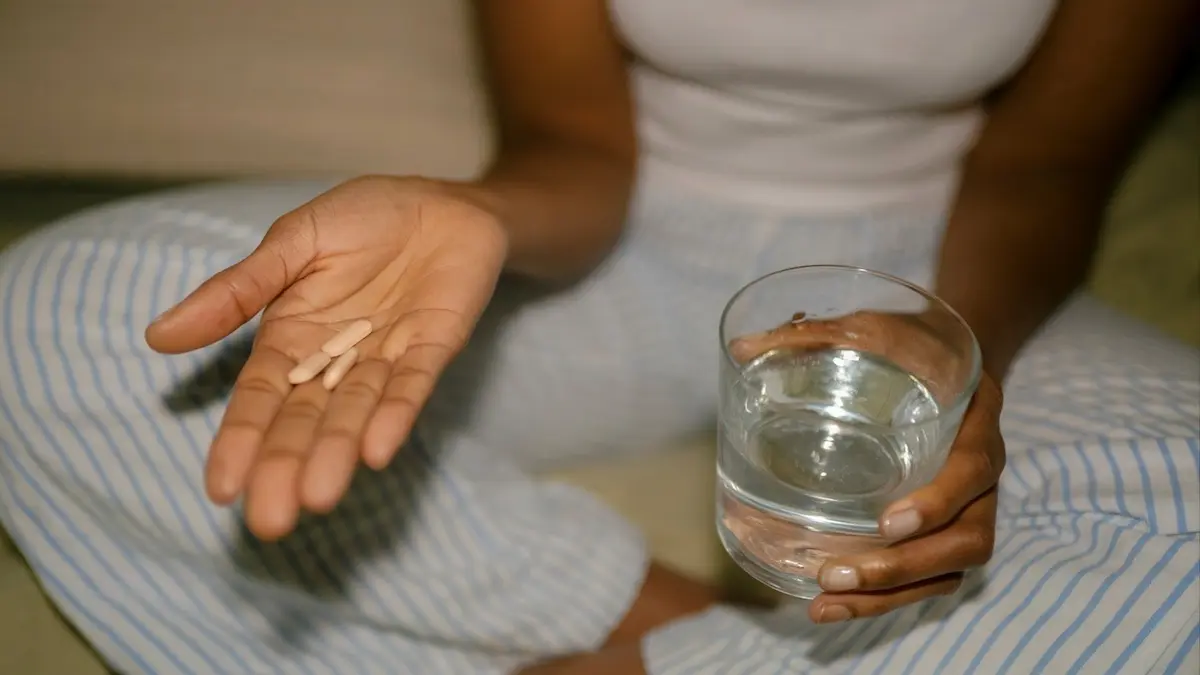
Vyvanse vs Adderall for Women? What Every Woman with ADHD Must Know

Medically Reviewed by: Olaniyi Osuntokun, MD, Board-Certified Psychiatrist
If you’ve searched “Vyvanse vs Adderall for women,” you’ve probably found the same article copy-pasted across different websites. They cover mechanism of action, duration, and abuse potential – and then they stop.
What they don’t cover is how these two medications behave differently in women. And for the millions of women who were diagnosed with ADHD later in life, who cycle through hormonal changes monthly, or who have spent years being told their symptoms were just anxiety — that omission matters.
This Vyvanse vs Adderall for women comparison guide is different. It’s written by a psychiatric nurse practitioner who treats women with ADHD every day, and it answers the questions that actually come up in our appointments.
Vyvanse vs Adderall for Women: Side-by-Side Comparison
| Characteristic | Vyvanse | Adderall XR |
|---|---|---|
| Onset | 1–2 hours | 30–60 min |
| Duration | 10–14 hours | 8–12 hours |
| Crash potential | Lower | Higher |
| Abuse potential | Lower | Higher |
| FDA-approved for BED | ✅ Yes | ❌ No |
| Generic available | ✅ Yes (2023) | ✅ Yes |
| Hormonal sensitivity | Both affected | More pronounced |
The Short Answer: Vyvanse vs Adderall
Both Vyvanse (lisdexamfetamine) and Adderall (mixed amphetamine salts) are FDA-approved stimulant medications used to treat ADHD. Both work by increasing dopamine and norepinephrine in the brain. But they are not the same drug, and they don’t feel the same — especially for women.
Adderall kicks in faster, peaks harder, and wears off more abruptly. For some women, that abrupt drop — often called the Adderall crash — feels like an emotional cliff.
Vyvanse is a prodrug, meaning it isn’t active until your body metabolizes it. It has a smoother onset, longer duration, and a gentler comedown. It also has FDA approval for binge eating disorder, which is relevant for women whose ADHD intersects with disordered eating patterns.
How Each Medication Works
Adderall (Mixed Amphetamine Salts)
Adderall contains four amphetamine salts — 75% dextroamphetamine, 25% levoamphetamine. It begins working within 30–60 minutes and lasts approximately 4–6 hours for immediate release (IR) or 8–12 hours for extended release (XR).
Vyvanse (Lisdexamfetamine)
Vyvanse is lisdexamfetamine — an inactive compound that converts to dextroamphetamine after absorption. It takes 1–2 hours to activate, lasts 10–14 hours, and cannot be misused by crushing or snorting, which is why it carries a lower abuse potential classification.

Why These Medications Hit Women Differently
This is the part most Vyvanse vs Adderall for women comparison articles skip entirely.
Estrogen Amplifies Stimulant Effects
Estrogen increases dopamine sensitivity. During the first half of your menstrual cycle, when estrogen is high, stimulant medications may feel more effective — sometimes intensely so. During the luteal phase, when estrogen drops, many women find their medication feels like it’s barely working.
This hormonal fluctuation affects both medications, but women on Adderall often notice it more sharply because of the faster peaks and drops already built into the drug.
The Crash Problem Is a Women’s ADHD Problem
The “Adderall crash” — irritability, fatigue, and emotional dysregulation in the late afternoon — is more pronounced in women, particularly those who also have anxiety, mood instability, or PMS/PMDD. Vyvanse’s smoother release profile significantly reduces the crash for most patients.
Binge Eating and ADHD in Women
Women with ADHD have higher rates of binge eating disorder than the general population. Vyvanse is the only ADHD medication with an FDA indication for moderate-to-severe binge eating disorder. If this is part of your clinical picture, that’s a meaningful advantage Adderall doesn’t offer.
Why Do People Switch from Adderall to Vyvanse?
This is one of the most common questions about Vyvanse vs Adderall for women we hear — and the answer is almost always one of these four reasons:
1. The crash is unbearable. Adderall’s abrupt drop in the afternoon triggers irritability, emotional flooding, or exhaustion. Vyvanse’s smoother comedown eliminates this for most patients.
2. Anxiety is getting worse. Adderall’s rapid spike can trigger or worsen anxiety, particularly in women with underlying anxiety disorders. Vyvanse’s slower release is gentler on the nervous system.
3. The medication isn’t lasting long enough. Adderall XR often wears off in the late afternoon. Vyvanse covers a longer window — critical for women managing work, parenting, and evening executive function demands.
4. Mood swings are interfering with relationships. The hormonal amplification of Adderall’s peaks and troughs can cause mood dysregulation that women (and their families) often mistake for a personality problem. It isn’t. It’s pharmacokinetics.
What Is the “Dark Side” of Vyvanse?
Vyvanse is not without drawbacks.
- Slow start. If you need your medication to work quickly in the morning, the 1–2 hour onset can be frustrating. Some patients take Vyvanse earlier than they’d like to wake up, then go back to sleep.
- Too long for some. 14 hours of coverage means some patients have trouble falling asleep if they take it too late or if they’re sensitive to stimulants.
- Cost. Even with generics available since 2023, Vyvanse can be more expensive than Adderall depending on your insurance and pharmacy.
- Not ideal if you need flexibility. Adderall IR allows for more dosing control — you can take a half dose on a low-demand day. Vyvanse’s fixed duration doesn’t offer that flexibility.
Will Vyvanse Give Me Energy Like Adderall?
This is a fair question to ask when comparing Vyvanse vs Adderall for women — and the answer is: differently.
Adderall’s faster peak can feel more immediately activating. Some patients describe it as a noticeable “on” feeling. Vyvanse is subtler. For many women, it feels less like a jolt and more like having a brain that works — sustained focus, emotional steadiness, and cognitive clarity without the spike.
If you’re coming from Adderall, Vyvanse may initially feel weaker. It usually isn’t. Give it 2–3 weeks before drawing conclusions.
Is Vyvanse Better Than Adderall for Women?
There’s no universal answer — but here’s the clinical pattern we see most often:
Vyvanse tends to work better for women who:
- Experience a significant Adderall crash
- Have anxiety alongside ADHD
- Are in perimenopause or have significant hormonal fluctuations
- Have a history of binge eating
- Need all-day coverage including evenings
Adderall tends to work better for women who:
- Need rapid onset in the morning
- Prefer dosing flexibility (IR formulation)
- Have tried Vyvanse and found it too mild or too long-lasting
- Have straightforward ADHD without significant mood or anxiety overlay
What About Adderall Shortages?
Since 2022, Adderall has faced ongoing supply chain disruptions. Vyvanse, as a branded prodrug, has been more consistently available — another practical reason many patients have switched.
The Bottom Line When Comparing Vyvanse vs Adderall for Women
Vyvanse and Adderall are both legitimate first-line treatments for ADHD. When comparing Vyvanse vs Adderall for women — especially those dealing with hormonal fluctuations, anxiety, emotional dysregulation, or a disruptive afternoon crash — Vyvanse is the better starting point.
But medication choice is not one-size-fits-all. Your history, your cycle, your lifestyle, and your full clinical picture should drive the decision — not a blog post.
If you’ve been cycling through medications without finding what works, or if your ADHD treatment feels like it’s only working some of the time, that’s worth a conversation with a provider who specializes in women’s ADHD.
At IN Focus First, we specialize in ADHD treatment for women across Indiana — including the hormonal, emotional, and diagnostic nuances that most practices overlook.
Vyvanse vs Adderall for Women Frequently Asked Questions
Can I take both Vyvanse and Adderall?
Some providers prescribe a long-acting stimulant (Vyvanse) with a low-dose IR booster for the afternoon. This is an off-label strategy and not appropriate for everyone. It requires careful clinical oversight.
Does Vyvanse work differently during your period?
Yes. Estrogen’s effect on dopamine means most stimulant medications feel less effective in the luteal phase (the week or two before your period). Some women work with their provider to adjust dosing cyclically. This is an emerging area of ADHD treatment.
Can Vyvanse cause anxiety?
It can, particularly at higher doses or in patients with pre-existing anxiety. That said, for many women, Vyvanse actually reduces the anxiety caused by Adderall’s peaks and crashes.
What if neither medication is working?
Non-stimulant options — Strattera (atomoxetine), Qelbree (viloxazine), and Wellbutrin (bupropion) — are worth exploring. Hormonal factors, thyroid function, iron levels, and sleep disorders can also interfere with stimulant effectiveness. A thorough evaluation matters.
Will Vyvanse give me energy like Adderall?
Vyvanse provides energy differently than Adderall. Adderall’s faster peak can feel more immediately activating. Vyvanse is subtler. Most patients describe it as sustained focus and cognitive clarity rather than a noticeable jolt. If switching from Adderall, give Vyvanse 2–3 weeks before drawing conclusions.
Why do people switch from Adderall to Vyvanse?
The most common reasons people switch from Adderall to Vyvanse include: an unbearable afternoon crash, worsening anxiety, medication not lasting long enough, and mood swings caused by Adderall’s sharp peaks and drops – all of which Vyvanse’s smoother release profile tends to reduce.
What are side effects of Vyvanse?
Vyvanse has several drawbacks: a slow 1–2 hour onset, duration that may be too long for some patients causing sleep issues, potentially higher cost than Adderall, and less flexibility than immediate release formulations for variable-demand days.
This information is for educational purposes and does not replace professional medical advice. Always consult with qualified healthcare providers regarding ADHD treatment options.
** Important Resource: ** If you or someone you know is in distress or immediate danger, help is available.
- 988 Suicide & Crisis Lifeline: Call or text 988 (USA) for free, confidential support 24/7.
- Crisis Text Line: Text HOME to 741741 to connect with a Crisis Counselor.
Medical Disclaimer: The information provided in this article is for educational purposes only and does not establish a doctor-patient relationship. This content was medically reviewed by Olaniyi Osuntokun, MD, a board-certified psychiatrist. It is not a substitute for professional medical advice, diagnosis, or treatment. Never disregard professional medical advice or delay seeking it because of something you have read on this website. If you believe you are experiencing a medical emergency, call 911 or go to the nearest emergency room immediately.