
The Loneliness Epidemic: Is It Deadlier Than Smoking?

Medically Reviewed by: Olaniyi Osuntokun, MD, Board-Certified Psychiatrist
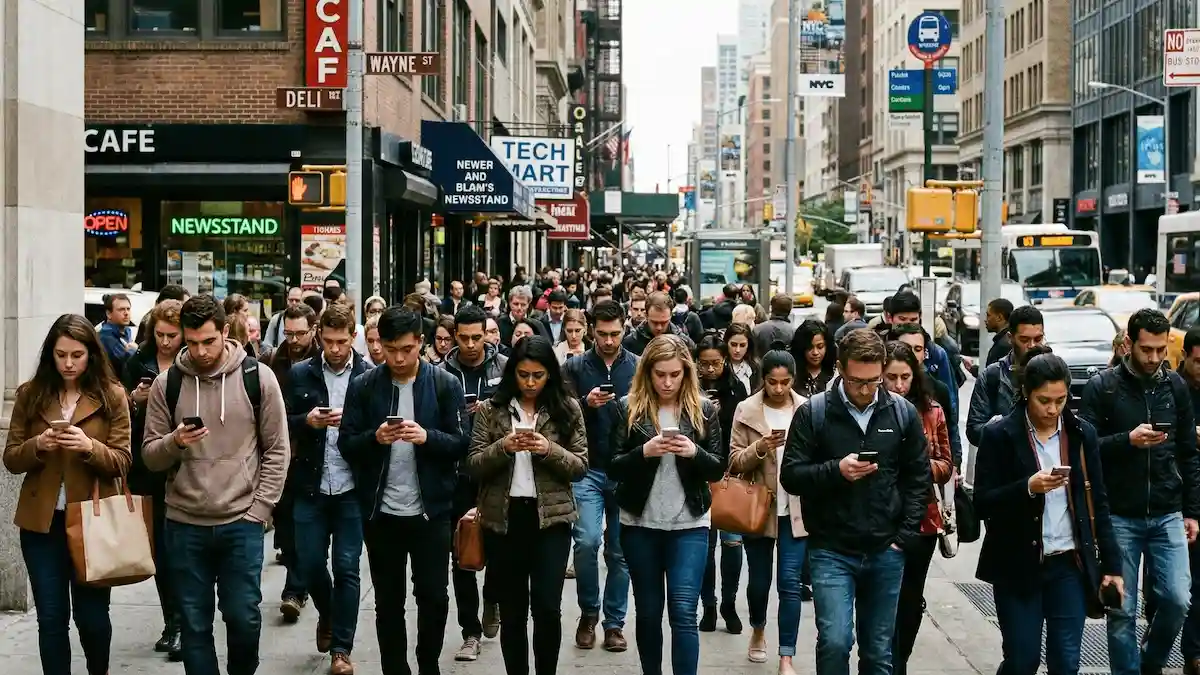
We have more ways to communicate than ever before, yet many of us feel entirely alone. We can send a message across the globe in seconds, but we often struggle to form meaningful bonds with the people right next to us. If you have been feeling isolated lately, please know that you are not the only one experiencing this pain. Loneliness has become a widespread issue affecting millions of people.
Table of Contents
The Stats
To understand the scope of this issue, consider these facts:
- Nearly half of all adults report experiencing measurable levels of loneliness on a regular basis.
- Young adults currently show some of the highest rates of feeling disconnected from their peers.
- Prolonged isolation is now officially recognized as a public health crisis by leading medical experts.
The Mental Health Toll of the Loneliness Epidemic
Feeling lonely takes a significant toll on our emotional well-being. It is important to recognize when improving social interactions can help improve mental health and when professional support is needed. Loneliness often acts as a triple threat, intensifying other mental health struggles and making them harder to manage.
Depression
Loneliness acts as a force multiplier for depressive symptoms. When we lack social support, our baseline sadness can quickly deepen into a heavy, persistent depression. Without a support system, it is much harder to find joy in everyday activities.
Anxiety
Isolation often feeds anxious thoughts. Without friends or loved ones to help us gain perspective, our worries can grow out of proportion, making future social interactions feel intimidating and overwhelming.
The Cycle of Withdrawal
This combination leads to a difficult behavioral cycle. We feel lonely and anxious, so we pull away from others to protect ourselves from potential rejection. This withdrawal only deepens the isolation, making it harder to reach out for the help and connection we genuinely deserve.
Physical Consequences
The pain of loneliness is a very physical experience. Your body reacts to social isolation much like it reacts to physical stress, reminding us that human connection is a fundamental biological need. Studies show that chronic isolation can weaken our immune system and increase overall inflammation. It also raises the risk of heart disease and can severely disrupt our sleep patterns.
Why Is it Happening Now?
You might wonder why this is happening so intensely right now. There are a few key reasons for this societal shift.
The Decline of Third Places
Historically, people gathered in community centers, local parks, and neighborhood cafes. These “third places” provided easy, low-pressure environments to connect outside of the home and the workplace. Unfortunately, many of these spaces have closed or become too expensive to visit regularly.
The AI Buffer
Technology and artificial intelligence offer endless entertainment and quick answers. However, they also create a buffer between us and real human interaction. We frequently settle for a digital response instead of seeking out a genuine, face-to-face conversation.
Economic Barriers
Financial stress plays a massive role in our ability to connect. When people are working multiple jobs just to pay for basic needs, they simply do not have the time or energy left to socialize and build friendships.
Moving Toward Social Wellness
Healing from this epidemic requires both personal steps and broader community shifts. We can start moving toward social wellness together by taking small, manageable actions.
Embracing Micro-Connections
You do not need a massive group of friends to feel better. Small interactions, like chatting with a cashier or smiling at a neighbor, can significantly boost your mood and help you feel grounded in your community.
Advocating for Systemic Change
We also need to build environments that foster togetherness. This means supporting local initiatives that create free, accessible public spaces where people can gather without spending money.
Fostering Collective Flourishing
For a long time, society has focused heavily on individualistic thinking. We are taught to prioritize personal success over community well-being. By shifting our mindset toward collective flourishing, we recognize that our own happiness is deeply tied to the health and happiness of those around us.
Reconnecting with Our Shared Humanity
Experiencing loneliness is a completely normal part of being human, but you do not have to stay trapped in it. Recognizing the problem is the very first step toward finding a lasting solution. By reaching out for small moments of connection and supporting spaces that bring people together, we can slowly heal. You are deeply valued, and your presence matters to the world around you. Let us take gentle steps together toward a more connected and compassionate future.
Loneliness Epidemic Frequently Asked Questions (FAQs)
What is the Loneliness Epidemic?
The loneliness epidemic refers to the widespread and increasing trend of social isolation and clinical loneliness across the global population. Unlike temporary feelings of being alone, this “epidemic” describes a chronic state where millions of people lack a sense of belonging or meaningful social connection.
Is there a difference between being alone and being lonely?
Yes, and the distinction is vital. Solitude is a physical state that can often be restorative and peaceful. Loneliness, however, is a subjective emotional distress that occurs when there is a mismatch between the social connections you have and the ones you need. You can be in a crowded room or a long-term relationship and still experience profound loneliness.
How does social media contribute to the loneliness epidemic?
While social media is designed to connect us, it often leads to “displacing” real-world interactions. Users frequently experience the “highlight reel” effect, where comparing their internal struggles to the curated lives of others creates a sense of inadequacy and exclusion. This digital connection is often “low-stakes” and lacks the oxytocin-releasing benefits of face-to-face eye contact and physical presence.
What are the most common physical symptoms of chronic loneliness?
Loneliness triggers the body’s “fight or flight” response, leading to:
Increased Cortisol: Chronic stress levels that can lead to inflammation.
Poor Sleep: A state of hypervigilance that makes it harder to reach deep, restorative REM sleep.
Cardiovascular Strain: Research suggests a link between prolonged isolation and increased blood pressure or heart disease.
Weakened Immunity: A reduced ability to fight off viral infections.
What are “Third Places,” and why do we need them?
The term “Third Place” refers to social environments separate from the two usual social environments of home and work. Examples include libraries, cafes, parks, and community centers. These spaces are essential because they allow for “planned happenstance”, the ability to meet new people and engage in low-pressure social interaction without the requirement of a formal invitation or a high financial cost.
Medical Disclaimer: The information provided in this article is for educational purposes only and does not establish a doctor-patient relationship. This content was medically reviewed by Olaniyi Osuntokun, MD, a board-certified psychiatrist. It is not a substitute for professional medical advice, diagnosis, or treatment. Never disregard professional medical advice or delay seeking it because of something you have read on this website. If you believe you are experiencing a medical emergency, call 911 or go to the nearest emergency room immediately.