
5 Grounding Techniques for Anxiety Relief You Can Use Anywhere

Medically reviewed by Jessica Walsh, PMHNP, Board-Certified Psychiatric Mental Health Nurse Practitioner
It starts with a tightness in the chest. Your heart rate accelerates, your palms get sweaty, and your thoughts begin to race. Before you know it, you feel completely untethered, drifting away from the present moment into a spiral of panic or dissociation.
When anxiety hits, it often hijacks the body’s alarm system. The brain perceives a threat, even if one isn’t physically present, triggering a “fight or flight” response. While this mechanism is designed to protect us, it can be debilitating when it fires at the wrong time.
This is where grounding techniques come in. These simple, actionable strategies act as an anchor, pulling you back to reality when your mind tries to drift away. Whether you are dealing with a panic attack, increased anxiety symptoms, or general overwhelming stress, grounding can help you regain control.
Effective Grounding Techniques for Anxiety
Grounding techniques are coping strategies designed to “ground” you in the present moment. They serve as a distraction from unwanted memories, negative emotions, or intense anxiety by redirecting your focus to the physical world around you.
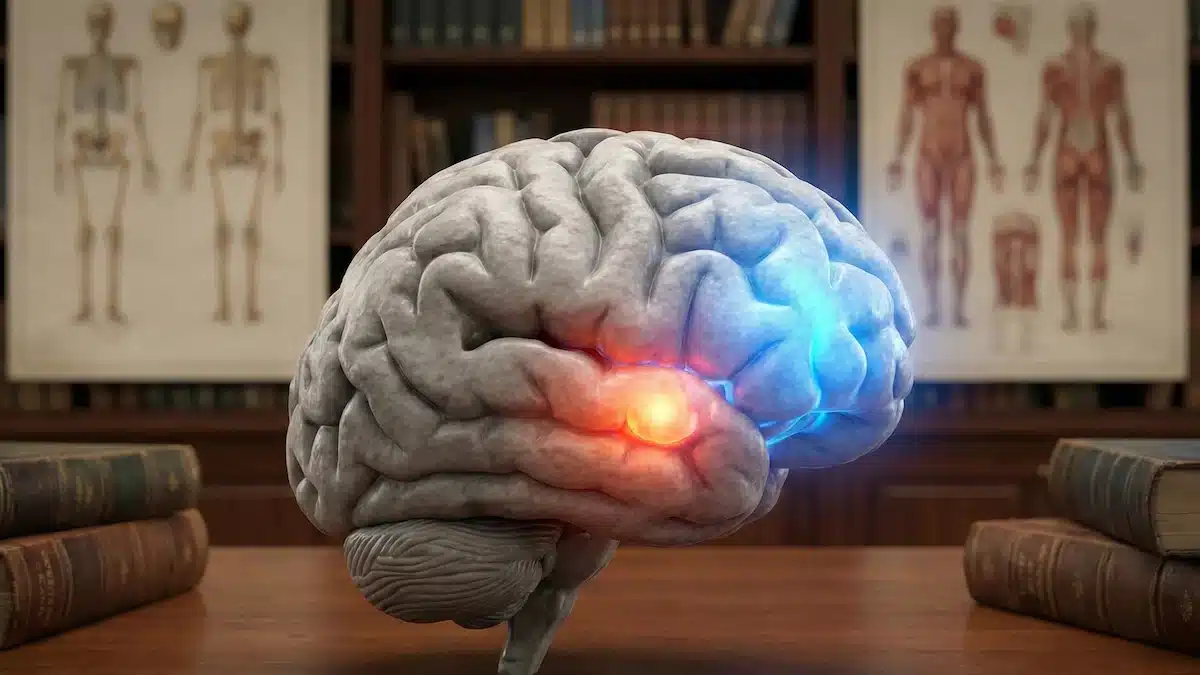
When you experience intense anxiety or a flashback, your amygdala—the part of the brain responsible for emotional processing—goes into overdrive. It shuts down the prefrontal cortex, which handles logic and reasoning. Grounding techniques engage your senses and cognitive functions, essentially forcing the prefrontal cortex back online. By focusing on tangible sensations or mental tasks, you signal to your nervous system that you are safe and present, helping to down-regulate the body’s stress response.
You can use grounding techniques whenever you feel:
- Overwhelmed by strong emotions like anger or sadness.
- The onset of a panic or anxiety attack.
- Disconnected from reality or your body (dissociation).
- Triggered by a traumatic memory or flashback.
- Caught in a loop of intrusive, racing thoughts.
Technique #1: The 5-4-3-2-1 Method
The 5-4-3-2-1 method is perhaps the most well-known grounding exercise. It is a sensory awareness tool that shifts your attention away from internal chaos and onto external reality.
First, take a deep breath and look around you. Identify and acknowledge:
- 5 things you can see: Look for small details, like a pattern on the rug, the way the light hits a table, or a specific object on your desk.
- 4 things you can feel: Note the sensation of your feet on the floor, the texture of your jeans, the smoothness of a pen, or the wind on your face.
- 3 things you can hear: Listen for background noises like traffic outside, the hum of a computer, or birds chirping.
- 2 things you can smell: Breathe in. Is there a scent of coffee, rain, or maybe your own perfume? If you can’t smell anything, recall two of your favorite smells.
- 1 thing you can taste: Focus on the lingering taste of a meal, gum, or simply the inside of your mouth. Alternatively, take a sip of water.
This method forces you to systematically engage all five senses. By requiring you to count and identify specific items, it interrupts the anxiety loop and anchors you firmly in your immediate environment.
This is excellent for public spaces or work environments. If you feel panic rising during a meeting, you can quietly look around the room and count items without anyone noticing.
Technique #2: Physical Grounding Through Body Awareness
Physical grounding focuses on reconnecting with your physical body. Anxiety often makes us feel like we are floating away or losing control of our limbs. This technique reminds you of your physical boundaries and presence.
There are several ways to practice physical grounding:
- Stomp your feet: Stand up and stomp your feet on the ground. Focus on the sensation of impact.
- Clench and release: Clench your fists tightly for five seconds, then release. Notice the tension leaving your hands.
- Hold an object: Pick up an object nearby—a stone, a set of keys, or a piece of ice. Focus intently on its temperature, weight, and texture.
- Change your temperature: Splash cold water on your face or hold your hands under warm running water.
Intense physical sensations are hard for the brain to ignore. They pull attention away from abstract worries and back to immediate physical reality. The sensation of weight and resistance reminds the brain that the body is solid and present.
This is particularly effective at home or in private spaces. Holding a piece of ice is a common recommendation for stopping a panic attack because the sensation is so distinct that it shocks the system back to the present.
Technique #3: Mental Grounding
Mental grounding involves performing cognitive exercises that require focus and concentration. It moves your brain from an emotional state to a logical one.
Here are four options to try:
- Option 1: Categories Game
Choose a category—like “breeds of dogs,” “types of fruit,” or “cities in Europe”—and list as many as you can in one minute. - Option 2: Countdown Exercises
Count backward from 100 by 7s. (100, 93, 86…) This requires enough concentration to crowd out anxious thoughts. - Option 3: Detailed Description
Choose an object in the room and describe it in extreme detail as if you were explaining it to someone who couldn’t see it. “This mug is ceramic, navy blue with a small chip on the rim, and feels cool to the touch.” - Option 4: Poetry or Song Lyrics
Recite a poem, a nursery rhyme, or the lyrics to a favorite song. Focus on getting every word correct.
These tasks engage the logical, analytical part of the brain. You cannot easily spiral into panic while simultaneously trying to do mental math or recall specific lists. It essentially “changes the channel” in your mind.
Mental grounding is invisible to others, making it perfect for social situations or while using public transportation.
Technique #4: The STOP Technique for Immediate Relief
The STOP technique is a mindfulness-based cognitive therapy (MBCT) tool designed to introduce a pause between a trigger and a reaction.
Follow the acronym:
- S – Stop: Just pause. Don’t act. Don’t speak. Just freeze your movements for a moment.
- T – Take a breath: Take a few deep, slow breaths. Focus on the air filling your lungs and leaving your body.
- O – Observe: Notice what is happening inside and outside of you. “I am feeling my heart race. I am thinking that I’m going to fail.” Observe these as facts, not truths.
- P – Proceed: Ask yourself, “What is the best thing to do right now?” Make a conscious choice about your next action rather than reacting impulsively.
Anxiety thrives on momentum. The STOP technique acts as a brake, preventing a small worry from snowballing into a full-blown panic attack. It introduces a moment of choice.
This is highly effective during interpersonal conflicts or stressful work situations where you feel the urge to react defensively or run away.
Technique #5: Soothing Self-Talk
Soothing self-talk involves speaking kindly and compassionately to yourself, much like a parent would soothe a frightened child. It counters the harsh, catastrophic inner critic that often accompanies anxiety.
Repeat coping statements to yourself, either silently or out loud:
- “I am safe right now.”
- “This feeling is uncomfortable, but it will pass.”
- “I am strong and I can handle this.”
- “I am present in this room.”
Language is powerful. By affirming your safety and capability, you rewrite the narrative your brain is creating. It shifts the focus from “danger” to “safety.”
Use this during the aftermath of a stressful event or while trying to fall asleep when anxious thoughts tend to creep in.
When to Seek Professional Help
While these techniques are powerful tools for managing symptoms, they are not a cure for underlying mental health conditions. Grounding helps you survive the moment, but therapy helps you heal the root cause.
If you find yourself needing to use these techniques constantly, or if your anxiety prevents you from working, socializing, or enjoying life, it may be time to speak to a professional. Other signs include:
- Flashbacks that are increasing in intensity.
- Difficulty sleeping or eating due to anxiety.
- Turning to substances to manage distress.
- Feeling consistently detached from reality.
Treatment Options
Therapies such as Cognitive Behavioral Therapy (CBT), Dialectical Behavior Therapy (DBT), and Eye Movement Desensitization and Reprocessing (EMDR) are highly effective for treating anxiety. There are also medication treatment options available to help manage anxiety.
Don’t wait until you are completely overwhelmed. Reaching out for help is a sign of strength, not weakness. The team at IN Focus First can help with same-week appointments available.
Start Building Your Toolkit Today
The next time you feel the ground slipping away beneath you, remember that you have the tools to pull yourself back. Grounding techniques are skills, the more you practice them when you are calm, the easier they will be to access when you are stressed.
Start small. Pick one technique from this list and try it out today, even if you aren’t feeling anxious. Get comfortable with the sensation of being present. Your mind is powerful, but you are in the driver’s seat.
Grounding Techniques for Anxiety Relief Frequently Asked Questions (FAQ)
How long do grounding techniques take to work?
Most techniques work within 2-5 minutes and some provide immediate relief.
Can I use grounding techniques for panic attacks?
Yes, we highly recommend the 5-4-3-2-1 technique for panic attacks.
What if grounding doesn’t work for me?
It is important to try different techniques because not all techniques work for everyone. Remember to practice when you are calm to increase effectiveness when in use. If the techniques continue to not work it may indicate the need for professional treatment.
Can grounding techniques replace medication?
No, grounding techniques are complimentary to your treatment but they do not replace treatment.
** Important Resource: ** If you or someone you know is in distress or immediate danger, help is available.
- 988 Suicide & Crisis Lifeline: Call or text 988 (USA) for free, confidential support 24/7.
- Crisis Text Line: Text HOME to 741741 to connect with a Crisis Counselor.
Medical Disclaimer: The information provided in this article is for educational purposes only. It is not a substitute for professional medical advice, diagnosis, or treatment. Never disregard professional medical advice or delay seeking it because of something you have read on this website. If you believe you are experiencing a medical emergency, call 911 or go to the nearest emergency room immediately.






Interesting read. Nice read! I bookmarked a couple of these ideas. For anyone who needs a silly distraction during the day, I’ve been enjoying a quick browser game — totally brainless but fun. Appreciate the post! Cheers!
Totally agree with this. Stress management is so underrated. Between meetings I like to play a quick free browser game to reset my mood — takes 2 minutes and somehow makes the rest of the day bearable. Everyone needs their own little outlet.